Deterrent
Stickers, dummy LEDs, driveway lighting, a gravel drive. Cheap, mildly useful against an opportunist, irrelevant to an organised team that already knows the target.
Home / Guides / Car security guide
The main guide · start here
Almost everything sold as car security today protects against a type of theft that has been out of fashion for twenty years. This guide explains how cars are actually stolen in 2026, what your car already does about it, and where the real gap is.
There is no broken glass any more. No screwdriver in the steering column, no hot-wiring, usually no noise at all. A modern car theft is a short conversation between a laptop and your car's electronics, and it is over in the time it takes to reverse off a driveway.
The numbers say the same thing. DVLA figures analysed by the motoring press in early 2026 put UK car thefts for 2025 at roughly 54,000 to 61,000 vehicles depending on which dataset and definition you use — somewhere in the region of one car every ten minutes, all year. Estimates from insurance and police data suggest around two thirds of stolen vehicles are never returned to their owner, and that keyless cars are roughly twice as likely to be taken as cars with a traditional key.
The uncomfortable part is that this is not happening to badly protected cars. It is happening to cars with factory immobilisers, alarms, tracking and encrypted keys. It happens because all of that security is built on one assumption: that whoever is holding the key is the owner.
Ignore the folklore. Almost every electronic vehicle theft in the UK today is one of these four, or a combination of two of them.
Two people, two radio boxes. One stands near your front door and picks up the low-power signal your key is constantly broadcasting. The other stands by the car and rebroadcasts it. The car concludes the key is right there, unlocks, and allows a start. Your key never moves. Full explanation of relay theft →
A device reads the key's identity — sometimes through a door, sometimes through the OBD port after entry — and writes a working copy. From the car's point of view, the copy is simply another valid key. How OBD theft and key cloning work →
The newest, and the one that made a lot of expensive security look silly. The thief never touches the key. They reach the car's data network from outside — typically through a headlight, a wing mirror or a bumper sensor — and inject the exact digital message that a valid key would have produced. What CAN injection is →
Burglary, car-jacking, a bag lifted from a gym locker, or a key handed over at a valet stand and copied. Still common, still effective, and completely unaffected by anything electronic your car does — because the thief has the real key.
All four defeat the same single check: your car asking "is a valid key present?" Three of them answer that question with a forgery. The fourth answers it truthfully, with your stolen key. Everything your car has is behind that one door.
Every car sold in the UK since 1998 has a factory immobiliser. It is genuinely good engineering. It uses a challenge-and-response exchange with a transponder chip and it has effectively ended the era of hot-wiring. If your car is stolen, it is not because the immobiliser failed at its job.
It is because the immobiliser answered a question that nobody should have been asking. It verified a key. It has no way to verify a person. Manufacturers have patched around the edges — motion-sensitive keys that stop transmitting after a few minutes of stillness, ultra-wideband ranging that measures the key's actual distance, better encryption — and these help. But the architecture is unchanged: one check, one credential, and the credential is a radio signal that lives in your hallway.
Everything sold as car security falls into one of five layers. They are not alternatives. They do different jobs and they fail in different ways.
Stickers, dummy LEDs, driveway lighting, a gravel drive. Cheap, mildly useful against an opportunist, irrelevant to an organised team that already knows the target.
Steering locks, pedal boxes, wheel clamps, OBD port locks. They buy time and are visible, which matters. They are also visible, which means the thief chooses the next car — or brings an angle grinder.
The factory unit plus, optionally, an aftermarket one that requires an authorisation the key cannot provide. The only layer that reliably stops the car being driven away.
GPS or GSM units and subscription recovery services. They do nothing to prevent a theft. They exist to improve the odds afterwards. Tracker vs immobiliser →
Where you park, whether keys sit by the door, whether you use a signal-blocking pouch, whether you notice a car that has been outside your house for three evenings.
Not security, but it is the layer everyone eventually falls back on. Declare every device you fit; an undeclared modification can complicate a claim.
Layer three is the one almost nobody upgrades, and it is the only layer that changes the outcome instead of the aftermath. A second, independent immobiliser asks a different question from the factory one: not "is a key present" but "is the owner authorising this start". A relay box cannot answer it, because there is no key signal in the chain to relay. A cloned key cannot answer it, because the second unit was never listening to keys. A CAN injection cannot answer it, because the message it needs is not part of the published vehicle protocol.
That is the whole idea behind a CAN bus immobiliser, and it is why this category exists at all. Here is how one actually works →
Your car checks the key. A second immobiliser checks you. A thief can forge the first and cannot forge the second, so the engine does not start.
Everything on this site in one place. The first five explain the threat and the technology; the last five deal with choosing, comparing and paying for it.
Yes, as a visible deterrent, but understand its limits. It makes your car a slower target than the one next to it, which is often enough for an opportunist. It will not stop an organised team, and it does not prevent the electronic start at all — a car with a defeated steering lock still drives away. Treat it as a supplement to an immobiliser, not a substitute for one.
It solves relay attacks specifically, and only while the key is genuinely inside it and the pouch is still working — the lining wears out. It does nothing about key cloning, CAN injection or a stolen key. It is a good ten pound habit, not a security system.
Safer from relay attacks, not safe overall. Cars with a traditional key and a transponder can still be attacked through the OBD port, and older models are targeted heavily for parts. The Ford Fiesta, which is not a keyless-heavy model in most trims, has topped the UK theft charts for years.
Yes. Any security device is a modification and should be declared. Most insurers view an additional immobiliser positively, and some offer a discount, but the important part is that an undeclared change can create problems at claim time. Ask them to note it on the policy in writing.
Tell us the make, model and year. We will tell you honestly which attacks your car is exposed to and what it costs to close the gap.
Get a quote for your carLockCar · 06 modules · built in the UK
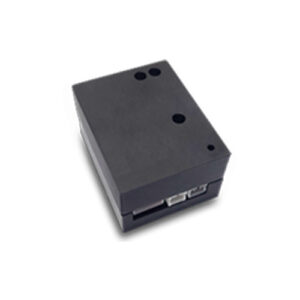
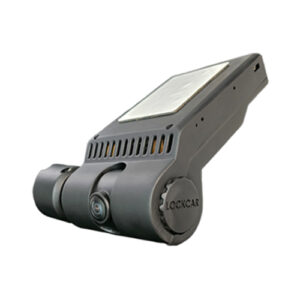
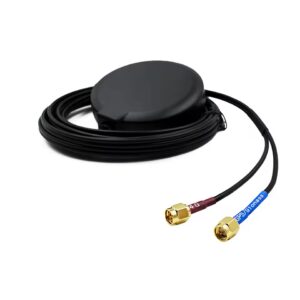
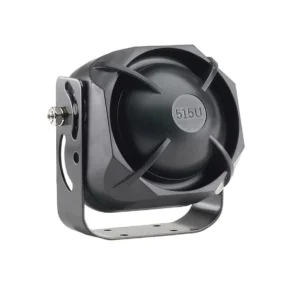
CAN-IMMO is one module in a wider system. LockCar also builds trackers, 4G cameras, alarms, apps and fleet monitoring — and we fit and support all of them.
Category pages open on lockcar.co.uk — the manufacturer's shop
Autowatch and Ghost are trademarks of Autowatch Ltd. IGLA is a trademark of AUTHOR Ltd. LockCar is a trademark of its manufacturer. 5StarWin is not affiliated with, endorsed by or acting on behalf of Autowatch or AUTHOR. Comparisons on this page are based on publicly published manufacturer and installer information available in August 2026 and on our own fitting experience; specifications, approvals and prices change, so please confirm current details with each supplier before you decide. Nothing here is insurance advice — always tell your insurer about any security device fitted to your vehicle.